























IMPACT® Formulas Clinical Study Reference

Evidence-Based Immunonutrition for Major Elective Surgery and Trauma Patients
The immunonutrient blend in IMPACT® formulas has more evidence, in more patients, with more positive outcomes than any other immunonutrition blend.11
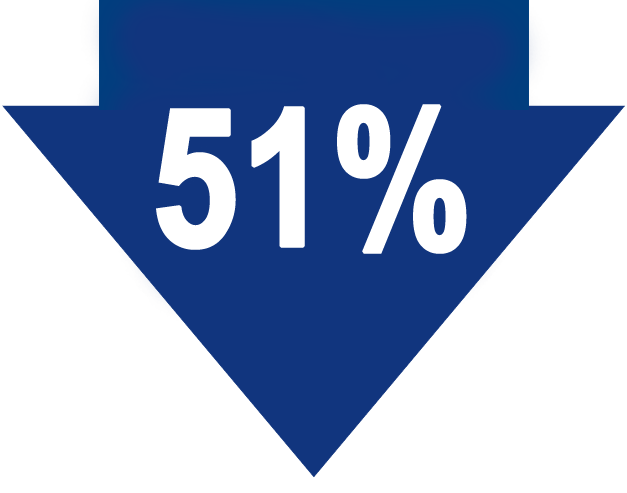
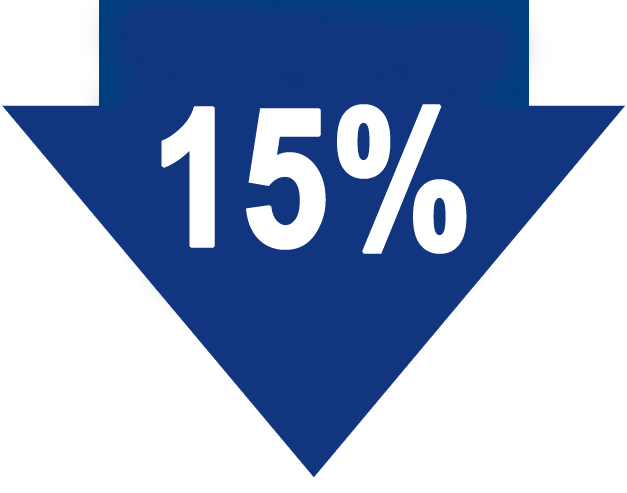
In major elective surgery, the immunonutrient blend in IMPACT® formulas reduced:10
This immunonutrient blend has documented outcomes in more than 90 publications, including several meta‑analyses.
L‑arginine, Dietary Nucleotides and Omega‑3 Fatty Acids
Consume for 5 days before surgery and at least 5 days after surgery.
In This Reference
Summaries of clinical studies, meta-analyses and health economics research on the immunonutrient blend in IMPACT® formulas, organized by surgery type and timing of use.
Overview of IMPACT® Formulas
An Evidence-Based Choice: The immunonutrient blend in IMPACT® formulas has consistently shown improved outcomes in major elective surgery, including: Upper GI, Lower GI, Cardiac, Head and Neck, Bladder Cancer, Thoracic Cancer, Ventral Hernia Repair, Gynecological Oncology, and Orthopedic.
- Contain immune-modulating nutrients supported for surgical ICU and severe trauma patients by the Critical Care Nutrition Guidelines1*
- Meet Perioperative Quality Initiative (POQI) Consensus Statements for perioperative nutrition.2
- Meet Strong for Surgery criteria for evidence-based immune modulating supplemental nutrition3**
- Have been used successfully in conjunction with Enhanced Recovery Protocols (ERPs)4–9
*The above statement does not constitute an endorsement of IMPACT® formula or any other Nestlé Health Science product by SCCM, ASPEN or ASER PM.
**Strong for Surgery is a Quality Program of the American College of Surgeons, The American College of Surgeons and Strong for Surgery do not endorse IMPACT® formulas or any other product.
Mechanisms of Action
IMPACT® formulas contain a unique blend of three synergistic immunonutrients.
This blend has documented outcomes in more than 90 publications, including several meta-analyses, which show these ingredients support the unique nutritional needs of the major elective surgery patient by helping support the immune and vascular systems to reduce the risk of postoperative complications. The immunonutrient blend in IMPACT® formulas has more evidence, in more patients, with more positive outcomes than any other immunonutrition blend.11
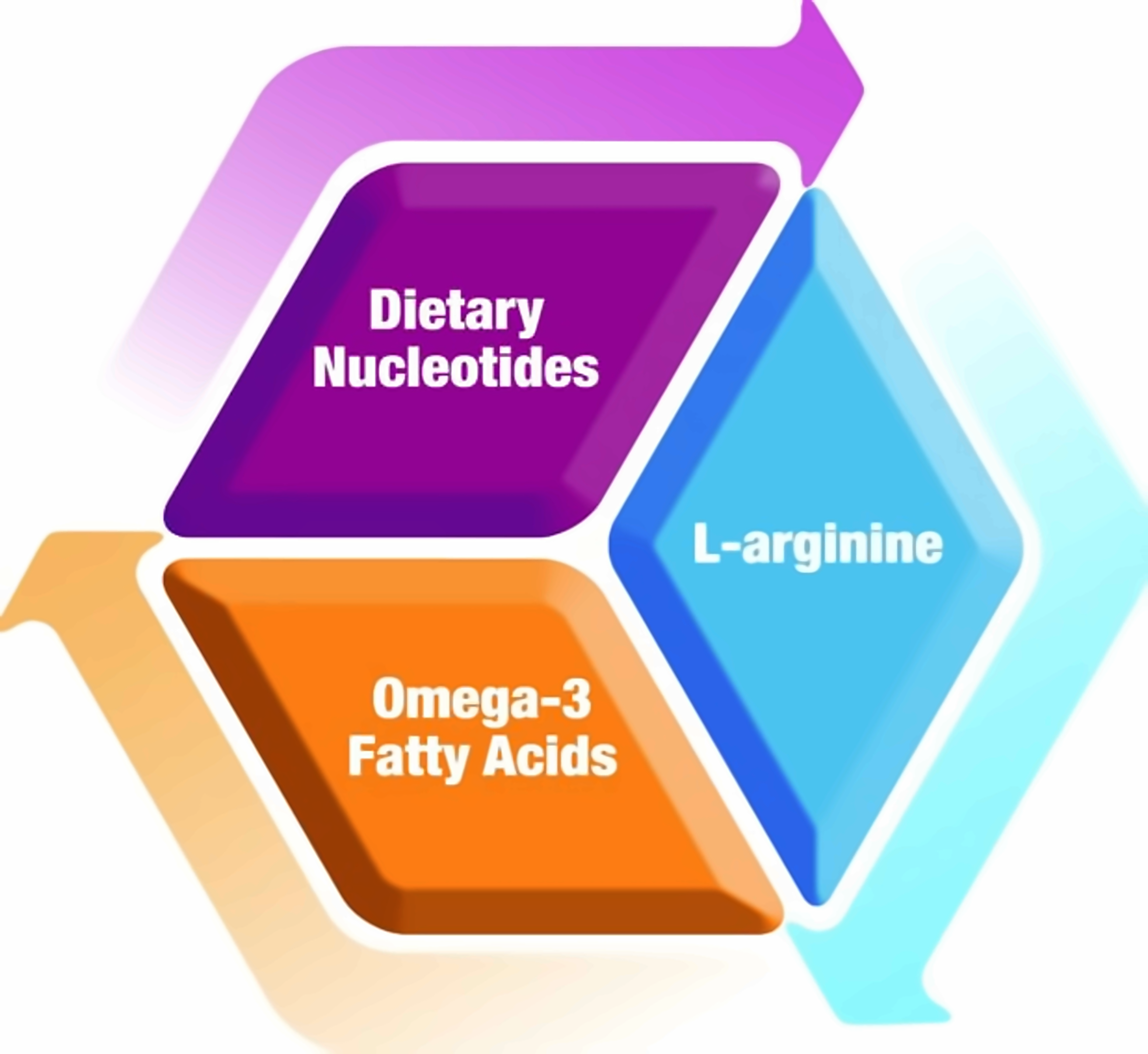
L-arginine:
- Helps restore host immune response by promoting T-lymphocyte growth and replication, and nitrogen retention.12-15
- Increases levels of hydroxyproline, the main precursor for collagen, thereby playing a role during wound management.12-17
- Increases gut oxygenation and colonic microperfusion.18
- Stimulates synthesis of nucleotides in vitro.19
Dietary Nucleotides from RNA salt:
- Support replication of the rapidly dividing cells of the immune system, i.e., T‑lymphocytes, by providing a source of purine and pyrimidine bases for DNA/RNA production.19-22
Omega-3 Fatty Acids from Fish Oil:
- Modulate cytokines to produce less inflammatory and less immunosuppressive mediators.23
- Produce less inflammatory prostaglandins (PGE3) to help to alleviate arginine deficiency by reducing induction of arginase 1.24
A Simple Protocol
Consume for 5 days before surgery and at least 5 days after surgery.
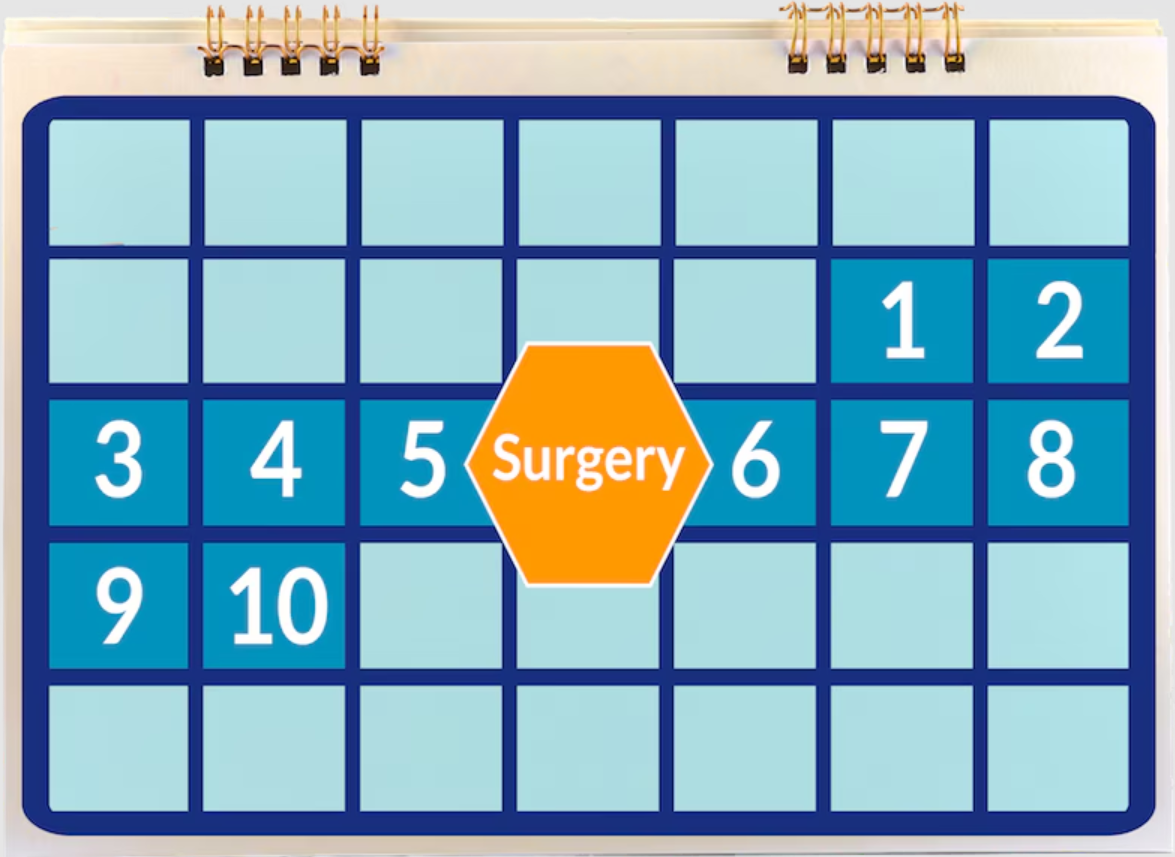

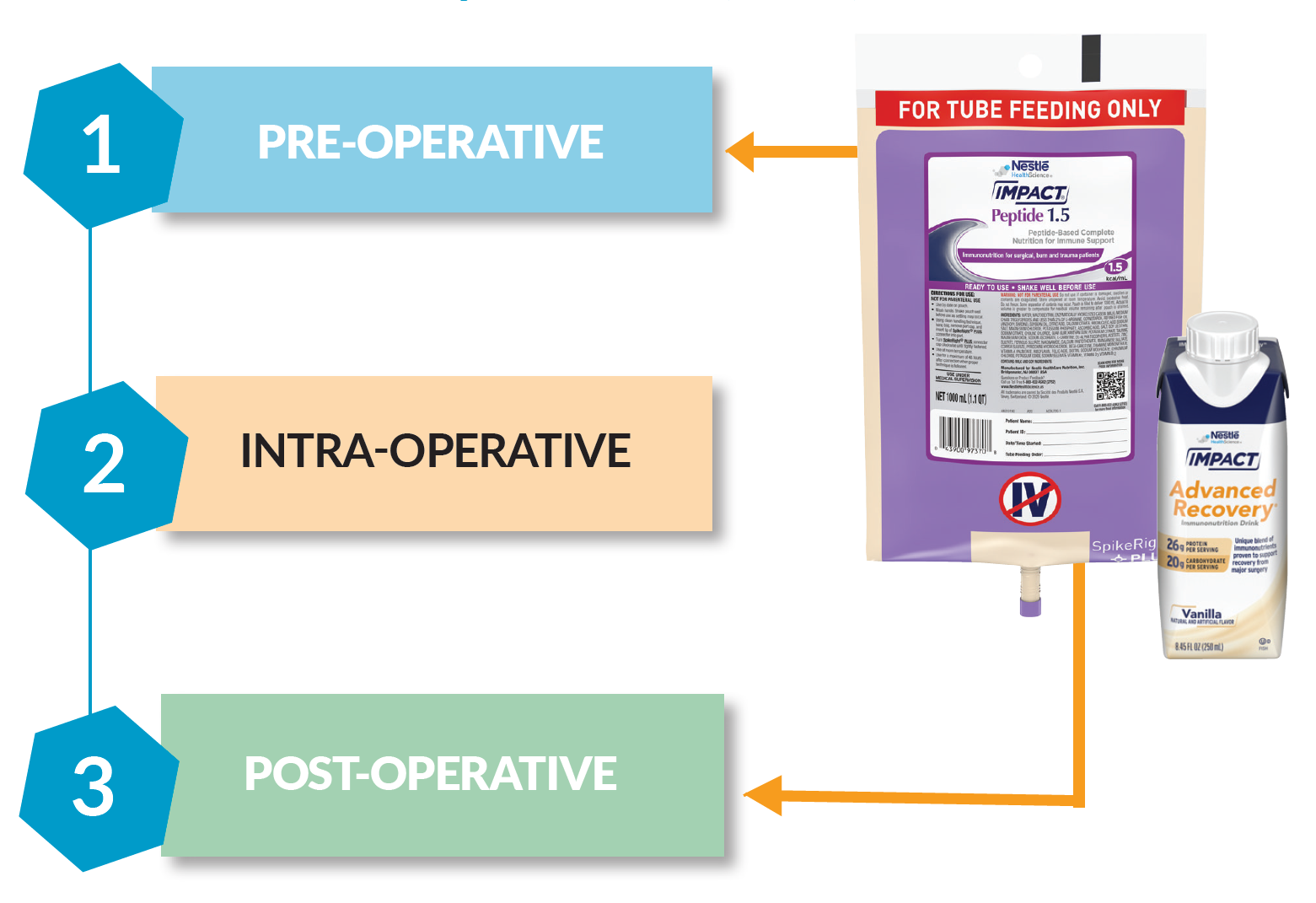
2 Cartons IMPACT Advanced Recovery® per day or 1 UltraPak® IMPACT® Peptide 1.5 per day for at least 5 days BEFORE and AFTER Surgery*
*Initiate IMPACT® Peptide 1.5 tube feeding and advance to ≥ 1000 calories/day to meet nutritional needs for at least 5 days. Also available in open system.
Perioperative IMPACT® protocols benefit patients undergoing major elective surgery, regardless of nutritional status.18,41
Integrating IMPACT® Formulas with Enhanced Recovery Protocols (ERPs)
ERPs that include IMPACT Advanced Recovery® drink have shown:
- Reductions in length of stay (LOS)5-7
- Reductions in 90-day readmissions7
- Reductions in infection rates5,6
- Improved diet advancement7
- Improved time to flatus/bowel movements7
ERPs may have 20+ types of interventions across multiple functions.
These are suggested guidelines based on clinical references and should not be construed as a substitute for medical advice or existing facility protocols.
Clinical Evidence for IMPACT® Formulas by Surgery Type
Surgery Type | Preoperative | Perioperative | Postoperative |
|---|---|---|---|
PreoperativeMoore 2021 | — | — | |
PreoperativeBertrand 2014 | PerioperativeHamilton-Reeves 2016 | — | |
PreoperativeIwase 2014 | — | — | |
PreoperativeKavanaugh 2018 | PerioperativeBraga 2002 | PostoperativeMarano 2013 | |
— | PerioperativeCelik 2009 | PostoperativeChapman 2015 | |
PreoperativeMueller 2019 | PerioperativeRowan 2016 | — | |
PreoperativeOchoa 2021 | PerioperativeGoncalves 2021 | — | |
PreoperativeKaya 2016 | PerioperativeRobinson 2021 | — | |
PreoperativeMajumder 2016 | — | — |
Major Elective Surgery — mixed
Preoperative
Implementation of prehabilitation for major abdominal surgery and head and neck surgery: a simplified seven-day protocol.
J Gastrointest Surg 2021;25(8):2076-2082.
Prospective study in abdominal and head & neck surgery patients assessed compliance to a 7-day prehabilitation protocol added to an existing Enhanced Recovery Program (ERP). The dietitian provided patients (n=76) with education and supplies including immunonutrition [IMPACT Advanced Recovery® (IM)], incentive spirometer (IS), chlorhexidine cleanser (CC) and a pedometer. Compliance with IM was 89.5%, IS 85% and CC 92%, however only 22% of the group met the steps/day goal. Compared with propensity score matched controls (n=70), prehab patients had less pulmonary morbidity (18% vs. 48%, p=0.01) and improved post-op mobility (78% vs. 33%, p=0.02). No significant difference was found in overall infectious complications (prehab 18% vs 27%), surgical site infections (prehab 14% vs 22%), length of stay (median 6 days), or readmissions (prehab 18% vs 22%). Adding a simplified multimodal prehabilitation program to the ERP was successful for a range of surgical patients. Adherence to preop ambulation was a challenge, but good compliance to other prehab elements was associated with short-term hospital benefits.
Preoperative
Impact of a novel preoperative patient-centered surgical wellness program.
Ann Surg 2018; 268(4): 650-656.
A large retrospective review to measure the effect of a preoperative supply kit on hospital acquired infections (HAI). Major elective surgery patients (n=12,396) were educated in preadmission testing (PAT) to kit contents: chlorhexidine, mupirocin, spirometer, immunonutrition (IMPACT Advanced Recovery® Drink) and smoking cessation information. Administration covered kit costs, including a roller bag transport. Study group patients with documented compliance (n=6538) were compared with a control group (n=9202) attending PAT before kit introduction. Top service lines were general surgery, neurosurgery, orthopedics, urology, thoracic and cardiovascular surgery. Compliance reported was mupirocin (80%), immunonutrition (72%), chlorhexidine (71%) and spirometer (67%). Average compliance to all elements was 62.3%. Surgical site infection (SSI), catheter associated urinary tract infection (CAUTI), Clostridium difficile infection (CDI) and Patient Safety Indicators (PSI) were significantly reduced in the study group. Specifically, SSI rates for colectomy and hysterectomy went from 9.4 to 4.9 per 100 cases. Total compliance to kit elements lowered the risk of expected HAI by 50% (RR=0.50, p=0.003). Providing a preoperative patient supply kit and education yielded significant reductions in HAIs. Cost of kits ($323,631) was recovered in addition to $1,023,000 projected in further savings.
Bladder Cancer Surgery
Perioperative
Effects of immunonutrition for cystectomy on immune response and infection rates: A pilot randomized controlled clinical trial.
Eur Urol 2016;69(3):389-392.
A pilot randomized controlled clinical trial to compare immune response and post-operative complications between a group of bladder cancer surgery patients (n=29) that received perioperative immunonutrition (IMPACT Advanced Recovery® Drink) vs. a group that received isocaloric perioperative oral nutrition supplement (ONS). The immunonutrition and control groups had myeloid derived suppressor cell (MDSC) counts that were significantly different over time (p=0.005) and significantly lower in the immunonutrition group 2 days after surgery (p<0.001). Neutrophil:lymphocyte ratio was lower in the immunonutrition group vs ONS 3 hours after the first incision (p=0.039). Although not powered to detect outcome differences, the IMPACT Advanced Recovery® group had a 33% reduction in postop complication rate (p=0.060) and a 39% reduction in infection rate (p=0.027) during late phase recovery.
Preoperative
Impact of preoperative immunonutrition on morbidity following cystectomy for bladder cancer: A case-control pilot study.
World J Urol 2014;32:233-237.
A prospective, multicenter, case-controlled pilot study to compare the rate of postoperative complications in patients with bladder cancer (n=60) who received preoperative immunonutrition (Oral IMPACT®*) with those that did not prior to cystectomy. The immunonutrition group had a lower incidence of post-operative complications (40% vs. 77%; p=0.008) including paralytic ileus and infections than the control group. Mortality, pulmonary embolism, anastomotic fistula and wound dehiscence were similar between groups.
*IMPACT Advanced Recovery® Immunonutrition Drink is the oral form of IMPACT® formula offered in the United States.
Cardiac Surgery
Preoperative
Nutritional effect of oral supplement enriched in ω-3 fatty acids, arginine, RNA on immune response and leukocyte–platelet aggregate formation in patients undergoing cardiac surgery.
Nutr Met Ins 2014;7:39-46.
RCT completed to investigate if preoperative use of immunonutrition (Oral IMPACT®) vs. no supplementation would influence immune response and leukocyte platelet formation in patients (n=14) having cardiac surgery. HLA–DR expression, CD4/CD8 ratio and the production of IFN–γ by CD4–positive cells were increased in the immunonutrition group (p<0.05). Conversely, IL 10 level and the formation of leukocyte-platelet aggregates before and after surgery were suppressed to a greater extent in the immunonutrition group (p<0.05). These effects may decrease the incidence of complications after surgery.
Preoperative
Glycine does not add to the beneficial effects of perioperative oral immune-enhancing nutrition supplements in high-risk cardiac surgery patients.
JPEN 2007; 31(3): 173-180.
A prospective, randomized study to measure outcomes from the addition of glycine to an oral immune-enhancing nutrition supplement (Oral IMPACT®+ glycine) as compared to a standard oral immune-enhancing nutrition supplement (Oral IMPACT®) and a control group receiving standard nutrition. Each nutrition supplement was administered for a minimum of 5 preoperative days. Patients (n=70) were 70+ years of age, had compromised left ventricular function or the need for mitral valve surgery. Outcomes of morbidity, organ function and postoperative recovery were analyzed. In both groups receiving the Oral IMPACT® formula, infectious morbidity was decreased (23%/17% vs. 50%) as compared to the control (p=0.02). Conclusions of the study were that use of preoperative Oral IMPACT® formula reduces the rate of infectious morbidity and results in more hemodynamic stability. The addition of glycine did not result in any additional benefit.
GI Cancer Surgery
Preoperative
Enhanced recovery after surgery: does the provision of immune-modulating protein supplements improve post-operative outcomes?
Presented at ERAS-USA, New Orleans, November 2018.
A cross-sectional, retrospective study of gastrointestinal surgery (GI) patients that compared grant-funded (GF; n=120) and self-pay (SP; n=120) cohorts. Both groups received Enhanced Recovery Protocols (ERPs), and both were instructed to drink IMPACT Advanced Recovery® prophylactically (3 cartons/day for 5 days). 83% of the GF cohort reported drinking ≥ 2/3 of the prescribed regimen, with 71.6% reporting perfect compliance. Mean and standard deviation of length of stay (LOS) in the GF group vs. SP group was 6.37±5.5 days vs. 8.30±7.9 days (p=0.03), respectively. The incidence of 30-day readmission and SSI also trended lower. GI surgery patients provided IMPACT Advanced Recovery® Drink preoperatively as part of an ERP, and at no charge, had a significantly reduced LOS when compared to ERP patients purchasing the product out-of-pocket.
Preoperative
Preoperative immunonutrition decreased postoperative complications by modulating prostaglandin E2 production and T-cell differentiation in patients undergoing pancreatoduodenectomy.
Surg 2014;155:124-133.
RCT to investigate the effect of preoperative immunonutrition (Oral IMPACT®) vs. early postop standard tube feeding on postop complications and immune response in patients having pancreatoduodenectomy (n=50). Infectious complications in the immunonutrition group were significantly lower than in the control group (28% vs. 60%, p<0.05), and the severity of complications were also lower (p<0.05). EPA, EPA:AA were higher and PGE2 levels lower in the immunonutrition vs control group (p<0.05). This preoperative modulation was associated with higher levels of T-Bet vs. GATA3 mRNA expression (p<0.05), showing favorable Th1/Th2 differentiation in the ORAL IMPACT® group. This demonstrates a decrease in stress-induced immunosuppression.
Postoperative
Clinical and immunological impact of early postoperative enteral immunonutrition after total gastrectomy in gastric cancer patients: A prospective randomized study.
Ann Surg Oncol 2013; 2012:3912-3918.
Randomized controlled trial done to investigate the effect of early post-op immunonutrition on outcomes in gastric cancer patients undergoing gastrectomy (n=109). Post-operative feedings were administered 6 hours post-op via jejunal tube and continued until post-op day 7. Formulas were isonitrogenous and isocaloric, however the study group tube feeding contained supplemental L-arginine, n-3 fatty acids and nucleotides (IMPACT®) and the control group received standard formula. Infectious complications in the study group were significantly lower than in the control group (7.4% vs. 20%, p<0.05), as was the rate of anastomotic leak (3.7% vs 7.3%, p<0.05). LOS for the intervention group was 3.2 days less than for the control group (p=0.029).
Preoperative
Attenuation of the systemic inflammatory response and infectious complications after gastrectomy with preoperative oral arginine and omega-3 fatty acids supplemented immunonutrition.
World J Surg 2009;33:1815-1821.
RCT designed to evaluate the effect of preoperative oral immunonutrition (Oral IMPACT®) vs. postop isocaloric TPN on cellular immunity, duration of SIRS and postoperative complications after upper GI cancer surgery (n=60). Post-operative infectious complications in the intervention group were significantly lower than in the control group (6% vs. 28%, p<0.05), as was the duration of SIRS (0.77 vs. 1.34 days, p<0.05). Postoperative lymphocyte and CD4+T-cell counts decreased in both groups (p<0.05), however the CD4+T-cell counts on preop day 1 and post-op day 7 were higher in the interventional than control group (p<0.05).
Postoperative
Effect of early postoperative enteral immunonutrition on wound management in patients undergoing surgery for gastric cancer.
Clin Nutr 2005; 24: 55-65.
A prospective, randomized study to determine the effect of early postoperative enteral immunonutrition (IMPACT® formula) on wound management in patients undergoing surgery for gastric cancer. Sixty-six patients were randomized to receive IMPACT® formula or an isocaloric, isonitrogenous control formula. The wound management process was analyzed, as well as, development of surgical wound management complications in sixty patients. Those patients who received IMPACT® formula had significantly increased hydroxyproline levels (p=0.0018) and decreased incidence of wound management complications (p=0.005). Authors concluded that early provision of IMPACT® formula postoperatively improves wound management substrates and decreases wound complications.
Preoperative + Perioperative
Preoperative oral arginine and n-3 fatty acid supplementation improves the immunometabolic host response and outcome after colorectal resection for cancer.
Surgery 2002; 132: 805-814.
A prospective, randomized, controlled trial of 200 patients with colorectal neoplasm requiring surgical resection. The 4 groups were randomized to: Group 1, perioperative supplementation with Oral IMPACT® formula for 5 days preoperatively and IMPACT® tube feeding postoperatively; Group 2, preoperative Oral IMPACT® for 5 days; Group 3 (control), isonitrogenous/caloric oral supplement preoperatively for 5 days; and Group 4; no supplementation before or after surgery (conventional therapy). Immune response (p<0.05), gut oxygenation (p<0.01) and microperfusion (p<0.02) were found to be significantly better for Groups 1 and 2. Overall, Groups 1 and 2 fed IMPACT® formula both perioperatively and preoperatively had outcomes of decreased infectious complications (p<0.02 p<0.04); reductions in antibiotic therapy days (p<0.005, p<0.004) and length of hospital stay (p<0.0005), as compared to the control and conventional therapy groups.
Gynecologic Oncology Surgery
Postoperative
Post-operative enteral immunonutrition for gynecologic oncology patients undergoing laparotomy decreased wound complications.
Gyn Onc 2015; 137:523-528.
Retrospective cohort study of postoperative immunonutrition (IMPACT Advanced Recovery® Drink) and no supplementation as a quality practice improvement for patients having laparotomy for gynecological malignancy (n=338). 75% patient compliance to postop intervention was noted. Fewer wound complications were observed in patients receiving immunonutrition (19.6% vs 33%; p=0.049). After controlling for variables associated with development of wound complications, patients receiving immunonutrition had a 78% reduction in CDC SSI class 2 and 3 infections (OR = 0.22, CI 0.05-0.95, p=0.044) in comparison to control.
Perioperative
The role of immunonutrition in gynecologic oncologic surgery.
Eur J Gynaecol Oncol 2009;30: 418-421.
RCT of perioperative immunonutrition (IMPACT®) and perioperative isocaloric standard formula in patients operated on with gynecological malignancies (n=50). WBC count, lymphocyte population and CRP levels were significantly higher in the intervention group (p<0.05). Post-op pulmonary and urinary infection rates were similar in both groups, but wound infection rate (4% vs 20%) and LOS (Δ 3.7 days) were significantly lower in the treatment group (p<0.05).
Head and Neck Cancer Surgery
Preoperative
Effect of preoperative immunonutrition on complications after salvage surgery in head and neck cancer.
Journal of Otolaryngology – Head and Neck Surgery 2019;48(25):1-9.
Single-armed study with historical control evaluated preoperative immunonutrition (IM) on postoperative complications in high-risk patients (n=96) having salvage surgery for head and neck squamous cell carcinoma (HNSCC) recurrent to radiation therapy (RT), chemo-radiotherapy (CRT) or RT with immunotherapy. Study patients (n=51) received IM (Oral IMPACT®), three units per day for 5 days before surgery. A multivariate regression model accounted for differences in clinical characteristics when measuring study endpoints. 84.3% of study patients consumed ≥75% of the IM prescribed. The rate of any complication within 30 days after surgery was lower in the IM group (35% vs. 58%, p=0.027), and adjusted to OR 0.28, p=0.049).
All subcategories of complications (wound dehiscence, wound abscess, fistula and hematoma/seroma) were also decreased for the IM group, but not statistically significant. Despite readmissions being similar, the IM group had a significantly shorter median LOS (6 vs. 17 days) which adjusted to an 11.36 day difference (p≤0.001). LOS results may have been partially biased due to reimbursement changes. Regardless, preoperative IM may be of particular benefit in the high-risk HNSCC population because of effects on tissue regeneration and immune response.
Perioperative
Utility of a perioperative nutrition intervention on postoperative outcomes in high-risk head and neck cancer patients.
Oral Onc 2016;54:42-46.
Identify outcomes associated with implementing perioperative immunonutrition (IMPACT Advanced Recovery® Drink and IMPACT® Peptide 1.5 formula) vs. postop standard formula as part of a quality practice improvement (QPI) initiative with high-risk head and neck cancer surgical patients (n=195). 25.2% of the immunonutrition patients registered complications vs 47.5% in the standard of care group (p=0.0021). Pharyngeal leaks or fistulas were the most common complication in both groups, and more common in patients not receiving supplementation (p=0.007). Mean LOS was reduced by 2.8 days in those receiving immunonutrition (p=0.02). Readmission rates between the two groups were similar.
Perioperative
Effect of perioperative immuno-enhanced enteral nutrition on inflammatory response, nutritional status, and outcomes in head and neck cancer patients undergoing major surgery.
Nutr and Cancer 2010; 62(8): 1105-1112.
A randomized, double-blinded, prospective study done to evaluate that immunonutrition supplemented with arginine, RNA and n-3 fatty acids improves outcomes in head and neck cancer patients with squamous cell carcinoma undergoing surgery. The study group received Oral IMPACT® 5 days prior to surgery and IMPACT® tube feeding post-surgery. The control group received no supplemental nutrition before surgery and isocaloric standard tube feeding post-surgery. Major complications included pneumonia, UTI, fistula and wound infection, and were followed until discharge (median = 12 days). Rate of major complications was significantly lower in the immunonutrition vs. the standard group (5% vs. 25%; p<0.05). Perioperative IMPACT® in head and neck cancer surgery patients may influence postoperative outcomes by reducing infections and wound complications.
Orthopedic Surgery
Perioperative
Perioperative immunonutrition in elderly patients undergoing total hip and knee arthroplasty: Impact on postoperative outcomes.
JPEN 2021;45(7):1559-1566.
The outcomes from adding immunonutrition (IM) supplementation to an enhanced recovery protocol (ERP) for hip and knee replacement surgery in elders (n=1617) were retrospectively compared to a historical control (n=1398) receiving the same ERP, sans IM. The study group was provided with oral IMPACT® and instructed to consume a carton three times a day for five days before and after surgery. Use of IM was associated with a one-day shorter length of stay (LOS) on average and after adjustment for variables, a 55% reduction in risk of infectious complications (OR, 0.45; 95% CI, 0.30-0.68; p<0.001). Although mortality did not differ, the risk of surgical site and/or prosthetic joint infection was halved in association with adding IM to ERP.
Preoperative
Preoperative immunonutrition in elective orthopedic and bariatric surgery: Clinical outcomes with patient compliance.
Presented at the American Society of Enhanced Recovery (ASER), April 2021.
Prospective study that examined outcomes among adult orthopedic total hip and knee (n=3,409) and bariatric (n=907) surgical patients in relation to patient compliance to an oral immunonutrition (IM) supplement (IMPACT Advanced Recovery®). During a preoperative visit and class, patients were instructed to consume 1 carton of IM three times a day for five days prior to surgery. IM was provided free of charge and consumption recorded in the EMR. Compliance was defined as none, partial (1-11 cartons) and full (12-15 cartons). 77% of orthopedic patients achieved full compliance as did 86% of bariatric patients. A decrease in orthopedic length of stay (LOS) was observed in relation to full vs. partial vs. no compliance (2.68, 2.71 and 3.25 days, respectively; p≤0.01). A decrease in bariatric LOS was also observed, but did not reach statistical significance (2.20, 2.07 and 2.42 days, respectively; p=0.497). A high rate of compliance to the IM supplement was observed, supported by patient education and access. Dose dependent reductions in LOS support the use of preoperative IM in these populations.
*Employee of Nestlé Health Science at the time the study grant was funded by Nestlé HealthCare Nutrition, Inc.
Preoperative
Pre-op Nutrition: Making an IMPACT.
Presented at American Society of Enhanced Recovery (ASER), Fort Lauderdale, March 2018.
A retrospective analysis of total joint patients, having surgery for replacement of a hip, shoulder or knee, to evaluate differences in outcomes dependent on a preoperative immunonutrition protocol. The intervention group (n=77) received education about the protocol during a preoperative class, and was directed to consume 3 cartons of IMPACT Advanced Recovery® Drink per day for 5 days prior to surgery. A control group of equal size (n=77) did not receive the supplement, and was matched for type of joint replacement, surgeon, American Society of Anesthesiology (ASA) score and age.
Although study numbers were too small to calculate statistical significance, the readmission, surgical site infection and readmission rates were all lower for the intervention group vs. the control group at 90 days. Specifically, the readmission rate was 10.39% for the intervention group as compared with 12.99% for the control.
Thoracic Cancer Surgery
Perioperative
Preop nutrition-enhanced recovery after surgery protocol for thoracic neoplasms.
J Thorac Cardiovasc Surg 2021;162(3):710-720.
The outcomes from a preoperative nutritional support program (N-ERAS©) for thoracic neoplasm (mostly lung) surgery patients (n=229, normally nourished) were compared retrospectively to a historical standard of care control (n=233, normally nourished) over a period of two years. The preoperative protocol consisted of: IMPACT Advanced Recovery® Drink (IM), consumed three times a day for five days preoperatively, 1-2 doses of a carbohydrate loading beverage, and daily multispecies probiotics starting at the preoperative clinic visit and continuing postoperatively. IM also continued during hospitalization. Patient compliance to the protocol approached 100%, with patients feeling empowered. Favorable associated reductions include lower complications (49.2%; p=0.001), time to recover bowel function (15.4%; p<0.001), hospital stay (13.6%; p=0.001) and hospital cost (16.1%; p=0.001). The hospital projected a savings of $503,342. Further, multivariable analysis found use of N-ERAS© independently predicted the absence of complications (OR 0.46; 95% CI, 0.26-0.79; p=0.005). Consideration to use N-ERAS© in thoracic cancer surgery is appropriate to general thoracic surgeons using any technical approach.
©2010 H. Lee Moffitt Cancer Center and Research Institute, Inc.
Preoperative
Is preoperative protein-rich nutrition effective on postoperative outcome in non-small cell lung cancer surgery? A prospective randomized study.
J Cardiothor Surg 2016;11:14.
Prospective, randomized study to evaluate the benefit of a 10 day course of preoperative immunonutrition (ORAL IMPACT®) vs. normal diet in well-nourished patients having anatomic resection for non-small cell lung cancer (n=58). Patients in the immunonutrition group reported fewer complications vs. the control group (19.4% vs. 44.4%; p=0.049). Study patients also reported a reduced chest tube drainage time vs. the control group, on average (4 days vs. 6 days; p=0.019).
Ventral Hernia Surgery
Preoperative
Benefits of multimodal enhanced recovery pathway in patients undergoing open ventral hernia repair.
J Am Coll Surg 2016;222:1106-1115.
Prospective comparison of an Enhanced Recovery Protocol (ERP) Bundle including preoperative immunonutrition vs. a pre-ERP historical cohort to measure differences in hospital length of stay (LOS) for ventral hernia repair (VHR) patients. VHR patients (n=200) had retromuscular hernia repair and posterior component separation via transversus abdominis muscle release, along with placement of synthetic mesh. The historical cohort received a regular diet, whereas the intervention group received a regular diet plus preoperative IMPACT Advanced Recovery® Drink for 5 days prior to surgery. Diet advancement post-surgery was scheduled for the intervention group, and a clear liquid oral nutritional supplement (ONS) was also provided on postop day one, followed by a high calorie ONS once food was tolerated.
ERP Bundle patients demonstrated a 75% reduction in 90-day readmissions vs. the control group (4% vs. 16%, p=0.001). ERP Bundle patients also showed a reduction in LOS by 2.1 days (p<0.001), and a shorter time to: diet advancement, flatus, bowel movement and oral narcotics. The differences in these additional measures were also statistically significant (p<0.001).
Meta-analyses Including IMPACT® Formulas
Immunonutrition vs. Standard Nutrition for Cancer Patients: A Systematic Review and Meta-Analysis.
JPEN 2020;44(5): 742-767.
Sixty-one RCTs of cancer patients (n= 5983) having major elective surgery were analyzed to determine efficacy for immunonutrition (IM) vs. standard nutrition. The majority of studies represented enteral nutrition involving various types of GI cancer surgery, however pulmonary and head & neck cancer surgery data were also included. The majority of solely enteral studies utilized IMPACT® formulas.
Although differences in all-cause mortality and sepsis were not found, IM was associated with significantly reducing the risk of postoperative infectious complications (RR 0.71 [95% CI, 0.64-0.79]), including wound (RR 0.72 [95% CI, 0.60-0.87]), respiratory tract (RR 0.70 [95%, 0.59-0.84]) and urinary tract (RR 0.69 [95% CI, 0.51-0.94]) infections. A significantly decreased risk for anastomotic leak (RR 0.70 [95% CI, 0.53-0.91]) and reduced hospital stay (MD -2.12 days [95% CI -2.72 to -1.52]) was also found.
Subgroup analyses were extensive and included a multiagent vs. single-agent immunonutrition comparison finding arginine + nucleotides + n-3 fatty acids provided enterally reduced the risk of wound and respiratory infections by 36% (p= 0.00) and 39% (p=0.001), respectively. This combination was also associated with a mean reduction in hospital stay of 3-days (p<0.00001). Other sub-analyses looking at nutritional status, duration and timing of IM, energy dose, enteral vs. parenteral IM, etc. contributed to the overall conclusion: provision of perioperative IM (5-7 days) containing supplemental L-arginine, n-3 fatty acids and nucleotides to malnourished surgical cancer patients via the GI tract and within total energy provision of 25-30 kcal/kg/d may provide the most clinical efficacy.
Preoperative
The impact of preoperative immune modulating nutrition on outcomes in patients undergoing surgery for gastrointestinal cancer.
Ann Surg 2019; 270(2): 247-256.
A systematic review of 16 RCTs (n=1387) measuring at least one clinical outcome from preoperative use of immunonutrition (IM) was completed for GI cancer surgery. 6 trials compared IMPACT® formulas containing a blend of supplemental L-arginine, n-3 fatty acids and nucleotides with isonitrogenous, isocaloric (IN/IC) controls, and 10 trials had standard diet as control. 6 trials had a mixed GI cancer surgery population, 4 were colorectal, 2 pancreatic, 2 gastric and 1 each in liver and esophageal cancer. Regardless of the control compared, use of the immunonutrient blend in IMPACT® formulas prior to GI cancer surgery decreased the risk of infectious complications by ~50% [IM vs. IN/IC = OR, 0.49 (95% CI 0.28, 0.85, p=0.01)]. Significant length of stay (LOS) reductions (1-2 days; p<0.0001) were also shown when controls were unsupplemented. A minimum 5 days of preoperative IMPACT® formula, orally or enterally should be part of routine practice in the care of GI cancer surgery patients.
Perioperative use of arginine–supplemented diets: A systematic review of the evidence.
J Am Coll Surg 2011;212(3): 385-399.
Thirty-five randomized controlled trials (n=3,438) of major elective surgical patients are reviewed to compare outcomes of enteral nutrition supplemented with arginine vs. standard formula. Twenty-five studies involved GI surgery patients and the other 10 studies represented other elective surgeries. Twenty-three of 35 studies utilized IMPACT® formula administered pre-, peri- or post-surgically. Although, no difference in mortality was noted, arginine-supplemented diets were associated with a 41% reduction in infectious complications (p<0.00001) and a 2.38 day reduction in length of stay (LOS) (p<0.00001), on average. Tests for heterogeneity were not significant for reduced infectious complications (p=0.11), but were for reduced LOS (p<0.00001). Sub-analyses found greater reductions in infectious complications and LOS associated with perioperative vs. pre- or post-operative use (p=0.03, p=0.001), and significant benefit associated with IMPACT® formula vs. other immunonutrition formulas (p<0.0001). For example, IMPACT® formula reduced risk of infectious complications by 51% (p=0.00001), whereas other arginine supplemented immunonutrition did not reduce the risk significantly. Authors support implementing perioperative nutritional therapy containing arginine and omega-3 fatty acids to support reduction in morbidity for high-risk elective surgery patients and a substantial reduction in costs for the health care system.
Health Economics
Preoperative
Effects of arginine-based immunonutrition on inpatient total costs and hospitalization outcomes for patients undergoing colorectal surgery.
Nutr 2017;42:106-113.
A comparative effectiveness analysis of real world data to assess the effects of preoperative arginine-based immunonutrition on post-surgical utilization and cost outcomes in adult colorectal patients (n=722) in Strong for Surgery (S4S)ⱡ hospitals. IMPACT Advanced Recovery® Drink (IM) was taken for 5 days preoperatively. Patients not receiving the intervention consumed a regular diet. At index hospitalization and at 30, 90 and 180 days post-discharge, mean cost of care was less for the S4S-IM group vs. control at $2400, $3500, $4500 and $5300 per patient, respectively. The Comprehensive Hospital Abstract Reporting System (CHARS), was the source of cost data, and the mean increase in total costs was reduced by 10%. Patients in the S4S-IM group had 50-58% fewer readmissions (30-180 days post discharge) than those in the S4S-Control group. After controlling for demographic and patient health conditions, readmission for the S4S-IM group continued to be lower at 30 days post-discharge (p<0.05), as well as at 90 and 180 days (p<0.01). SSI (surgical site infections) were also lower (p=0.04) for the S4S-IM group vs. control.
ⱡ The ACS and Strong for Surgery do not endorse IMPACT® formulas or any other product.
Value-Based Healthcare Environment
Inadequate nutrition intervention negatively affects outcomes10,25, impacting quality and safety scores, while placing significant healthcare dollars at risk.26 This section provides information on Centers for Medicare and Medicaid (CMS)-related health care reform initiatives relevant to IMPACT® formulas.
Triple Aim
A national health quality strategy being utilized in healthcare organizations that is aligned with what IMPACT® formulas are designed to do:
- Better Care, Better Health, and Lower Cost27
Hospital Readmissions Reduction Program (HRRP)28
Hospitals receive reduced payments from Medicare if they have excess readmissions within 30 days of discharge for certain diagnoses including coronary artery bypass graft (CABG) and hip replacement. The immunonutrient blend in IMPACT® formulas has been shown to improve clinical outcomes in both these surgeries.9,25
Complications after general surgery increase the risk of readmission by 4 times.30 The immunonutrient blend in IMPACT® formulas reduces risk of infectious complications by 51%10,31 and thereby supports a reduction in readmissions following major elective surgery.
Hospital-Acquired Conditions Present on Admission (HAC POA)32
Hospitals will not receive additional Medicare payment for the following nutrition-related conditions if they were not present at admission: pressure injuries, urinary tract infections (UTIs), manifestations of poor glucose control, and surgical site infections (SSIs) following CABG, certain orthopedic procedures and bariatric surgery.
The immunonutrient blend in IMPACT® formulas has been found to reduce the risk of UTIs by 47% and SSIs by 37% in major elective surgery.33 Specifically, IMPACT Advanced Recovery® has been shown to help reduce SSIs following gyn-onc and colorectal surgeries.34,35 In addition, IMPACT® Peptide 1.5 contains increased levels of protein, L-arginine and micronutrients that support healing of Stage 2,3,4 and unstageable pressure injuries.36,37
Hospital-Acquired Condition Reduction Program (HACRP)38
Hospitals performing in the bottom 25% will have a reduced payment from CMS.
Measures:
- Patient Safety Indicator (PSI) PSI 90 Composite Measure (15 HACs) — Includes wound dehiscence rate
- National Healthcare Safety Network (NHSN) Measures (3 HACs)
- Central Line Associated Bloodstream Infections (CLABSI)
- Catheter Associated UTIs (CAUTI)
- SSIs — includes colonic surgeries and abdominal hysterectomies
- Methicillin-resistant Staphylococcus aureus (MRSA) bacteremia
- Clostridium difficile infection (CDI)
As part of a wellness bundle, IMPACT Advanced Recovery® Drink has been shown to support significant reductions in PSI, SSI, CAUTI and CDI.39 IMPACT® surgical protocols have also been shown to reduce SSIs following gyn-onc and colorectal surgeries.34,35 Use of the immunonutrient blend in IMPACT® surgical protocols supports a reduction in wound complications, UTIs and SSIs in major elective surgery.17,33
Comprehensive Care Joint Replacement (CJR) Bundled Payment Model40
The CJR model is a CMS program that holds participating hospitals financially accountable for the quality and cost of inpatient or outpatient hip or knee replacement, and now also includes inpatient ankle replacement. Approximately 324 hospitals across 34 Metropolitan Statistical Areas (MSAs) are participating.
In order to cover the complete period of recovery, the episode of care begins with an admission to a participant hospital or outpatient surgery center, and ends 90 days post-discharge or post-outpatient surgery date.
Use of perioperative immunonutrition (Oral IMPACT®)* was shown in a retrospective study of hip and knee replacement surgery patients to significantly decrease associated risk of surgical site or prosthetic joint infection and length of stay (LOS) (p<0.001, respectively).5
*IMPACT Advanced Recovery® Immunonutrition Drink is the oral form of IMPACT® formula offered in the United States.