





















Improved Growth in Children Receiving Long-Term Enteral Nutrition: 100% Whey Protein Peptide-Based Enteral Formulas
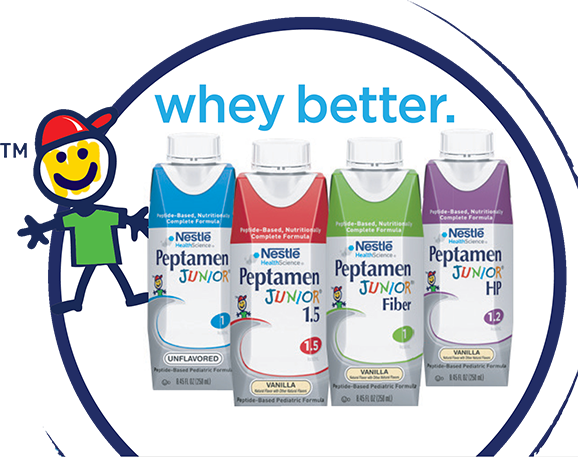
A retrospective chart review of pediatric patients receiving Peptamen® products for ≥30 days found that 100% whey protein peptide-based enteral formulas were associated with improved growth outcomes, high nutritional goal attainment, and advancement toward oral feeding in children with complex GI conditions.
Tolerance and Weight Gain with 100% Whey Protein Peptide Based Enteral Formulas in Pediatric Population: A Retrospective Review
A Research Summary based on Elfadil OM, Jogani VG, Johnson DA, et al. JPEN. 2026; 50(S1): S322–S323.
Background
While available evidence indicates improved tolerance and clinical benefit, there remains a lack of data specifically examining the effects of 100% whey protein peptide-based formulas on growth and anthropometric outcomes in pediatric patients receiving long-term enteral nutrition.1,2
Methods
Retrospective chart review in pediatric patients receiving Peptamen® products for ≥30 days. Data collected included underlying diagnoses, measures of nutritional adequacy, and clinical outcomes.
Most Common Underlying Conditions
32.5% Congenital/developmental delay
27% Malignancy-related conditions
27% Other
13.5% Dysmotility
Results
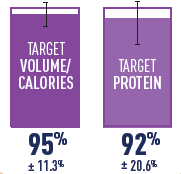

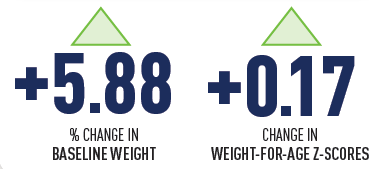
These findings suggest that Peptamen® represents an effective and clinically meaningful nutritional strategy for pediatric patients requiring enteral support, particularly in the context of feeding intolerance, and may facilitate both growth recovery and advancement toward oral feeding.